Master's Dissertation (Research & Development) · Gamified Habit Tracker Application · Iwate University, Japan · 2022–2024
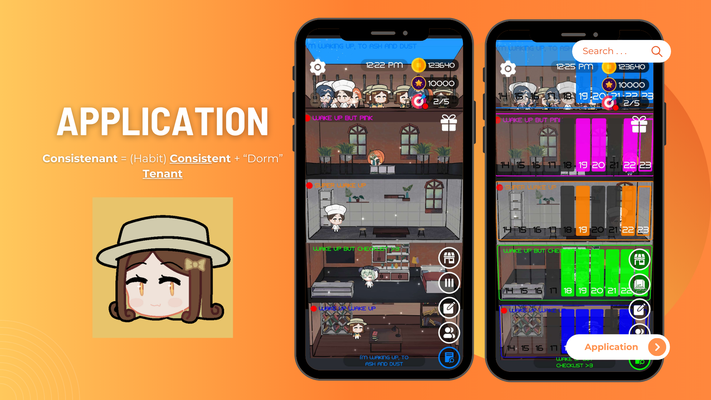
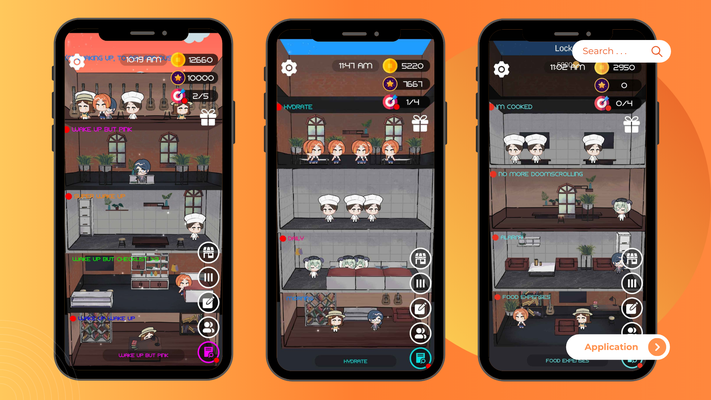
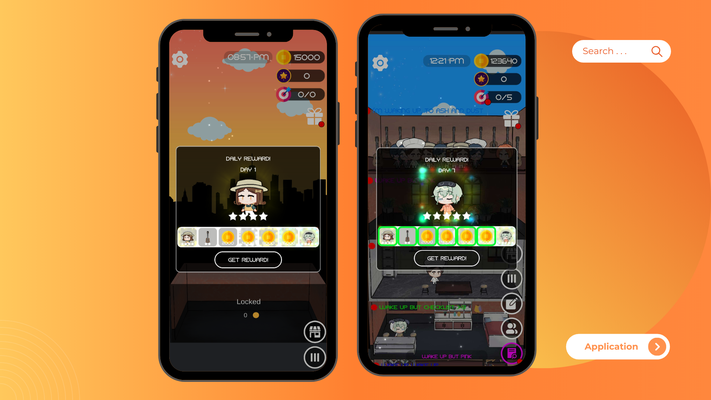
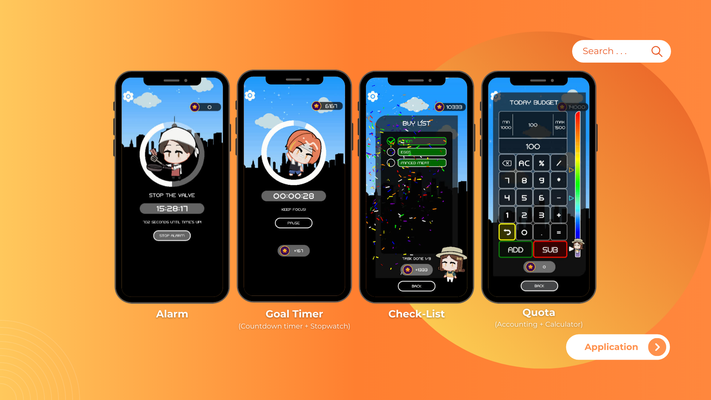
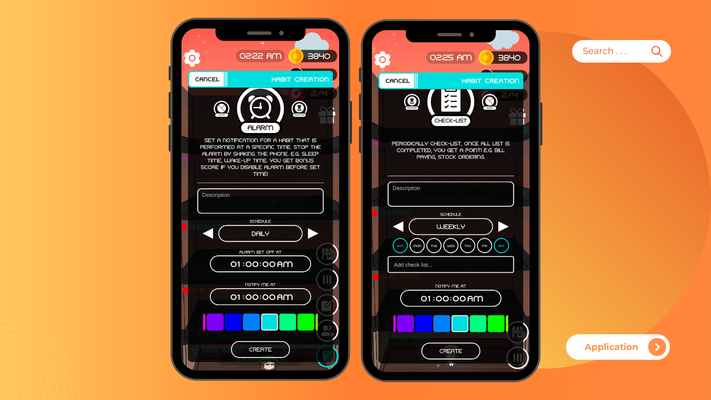
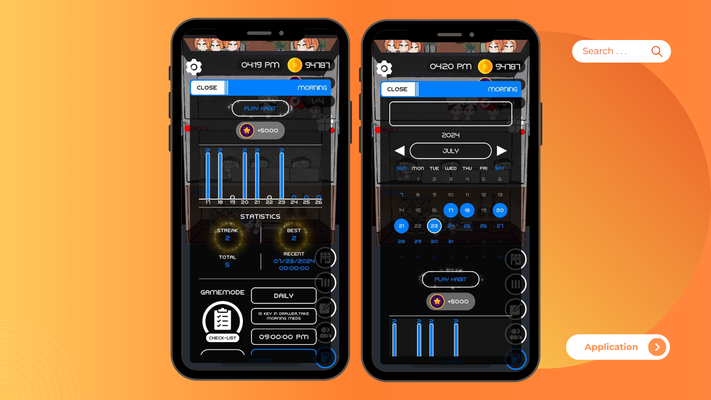
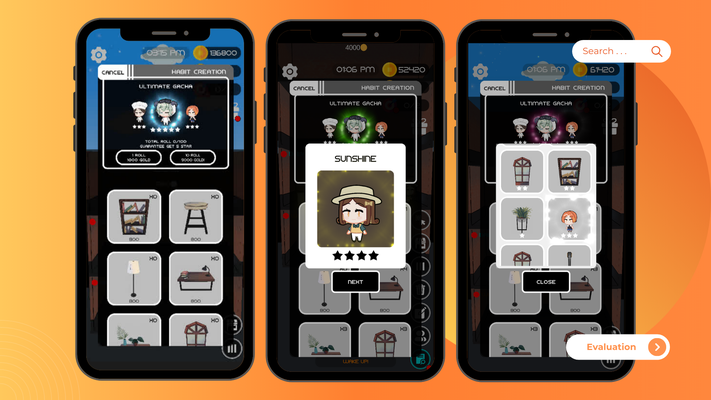
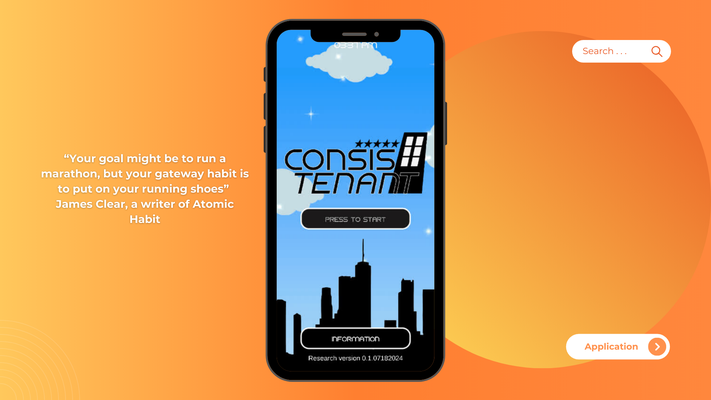
Consistenant is a Master's dissertation project exploring whether gacha progression systems can drive habit adoption. It combines behavioral psychology, Atomic Habits loop theory, and live-service game design into a single mobile application, developed as part of a research study at Iwate University, Japan, with a small team including an artist and an engineer.
Complete habits to obtain rewards and feel progression in habit adoption.
Consistenant is built around six interconnected systems, each designed to reinforce daily habit completion through game-like feedback loops.
ProblemHabit tracking apps have a fundamental problem: users know they should use them, but tracking habits feels like another chore, while entertainment apps (social media, games) deliver instant dopamine. Existing apps also underutilize behavioral techniques like the cue-routine-reward model, limiting their ability to drive lasting behavior change.
QuestionCan we borrow engagement mechanics from mobile Gacha games to make habit tracking feel less like a task and more like a game? If people grind daily quests to collect characters, could the same loop drive real-life habit completion?
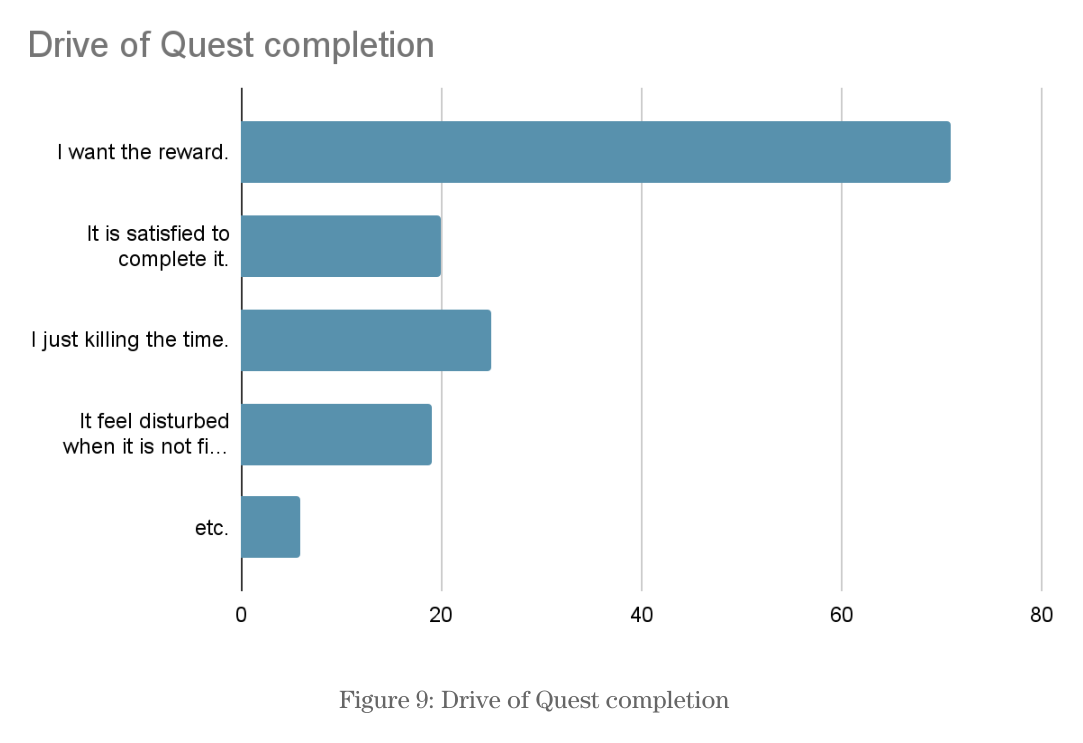
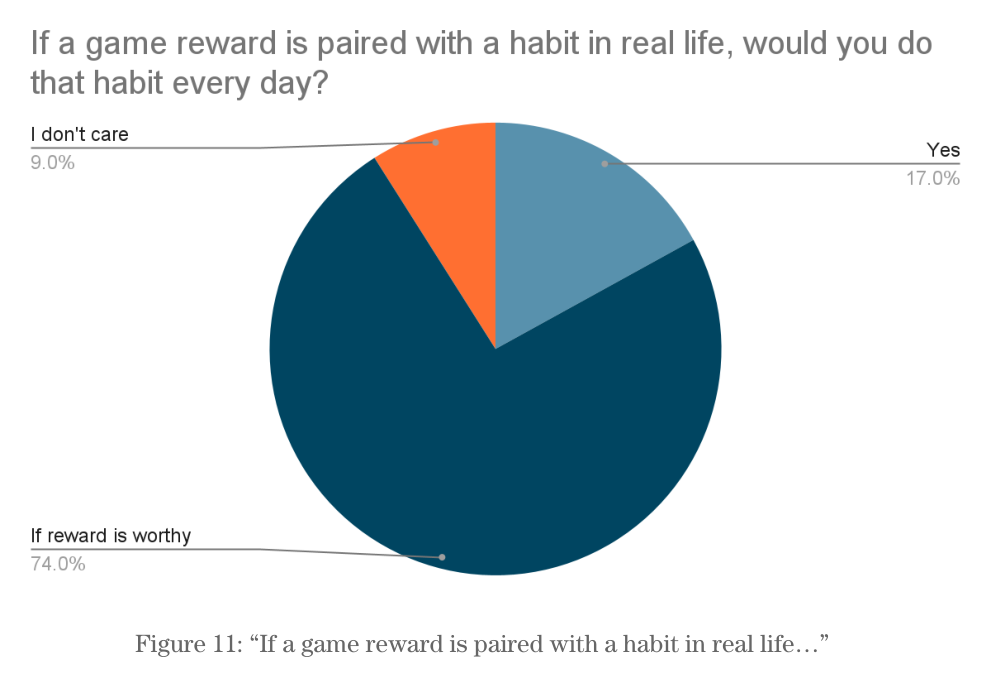
Before designing anything, I surveyed 100 digital natives (gamers aged 18–44) about their habit tracking behavior and daily quest habits in games. I also reviewed existing habit apps (HabitNow, Habitica, Duolingo) and academic research on Gamification, Gacha Game psychology, and Habit Loop theory based on James Clear's Atomic Habits.
Every mechanic was mapped to the four-stage Atomic Habits loop: Cue, Craving, Routine, Reward. The diagram below shows how each stage connects to both behavioral psychology and the game systems.
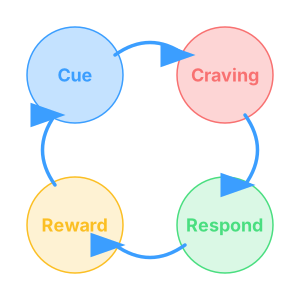
Push notifications, streak counters, and a daily login reward screen serve as environmental cues. The first thing a player sees after opening the app is their habit list, ready to be checked.
Limited-time gacha banners create urgency: players know a rare character is only available this week. That anticipation carries over into wanting to complete habits to earn enough coins for the next roll.
Four tracker types (Alarm, Goal Timer, Checklist, Quota) let players choose the format that fits each habit naturally. The Two-Minute Rule is also applied: any habit can be logged in a reduced version to lower resistance on difficult days.
Coins are awarded immediately on habit completion. Gacha rolls produce visible collectibles that populate the dorm. Over time, the dorm visually upgrades and fills with life, giving players a persistent record of their consistency.
24 participants used the app on their own devices for one week. A pre-experiment survey measured baseline habits before using Consistenant, and a post-experiment survey measured the same categories after: Confidence, Motivation, Awareness, and Consistency. Participants also rated each feature individually to assess the potential of each design decision and the overall application.
Habit adoption was measured before and after via standardized questionnaires. Overall, participants showed a 7.88% improvement in total habit adoption score (Table 3).
| Metric | Before | After | Change |
|---|---|---|---|
| Confidence | 44.79% | 61.46% | +16.67% |
| Motivation | 51.04% | 57.99% | +6.94% |
| Awareness | 75.00% | 64.58% | -10.42% |
| Consistency | 36.98% | 58.33% | +21.35% |
| Total | 53.26% | 61.14% | +7.88% |
The core thesis showed promise. Participants showed measurable improvement in confidence and consistency, the two categories with the largest gains in Table 3. Gacha loops do transfer to real-world behavior, at least over the 1-week study period.
Economy design is harder than it looks. Coin rates, gacha costs, and banner timing need careful balancing. Too generous and the reward loop loses urgency. Too scarce and players quit before seeing any payoff. Broken scarcity collapses the motivation loop. Balancing coin generation, banner rotation, and content depth is its own design discipline, and I underestimated it going in.
The social layer (Dorm Visiting) was cut for time, but it showed up in open-ended feedback as the most requested unbuilt feature. Players wanted to share and compare their dorms.
Working across disciplines (art, engineering, research) added coordination overhead I did not fully anticipate.
If continuing this project, I would redesign the economy to scale rewards dynamically based on streak length instead of using a fixed reward model.